

Roll Beyond D&D: Use Classic Dice to Rewrite Magic: The Gathering, Warhammer, RPGs, Monopoly and More
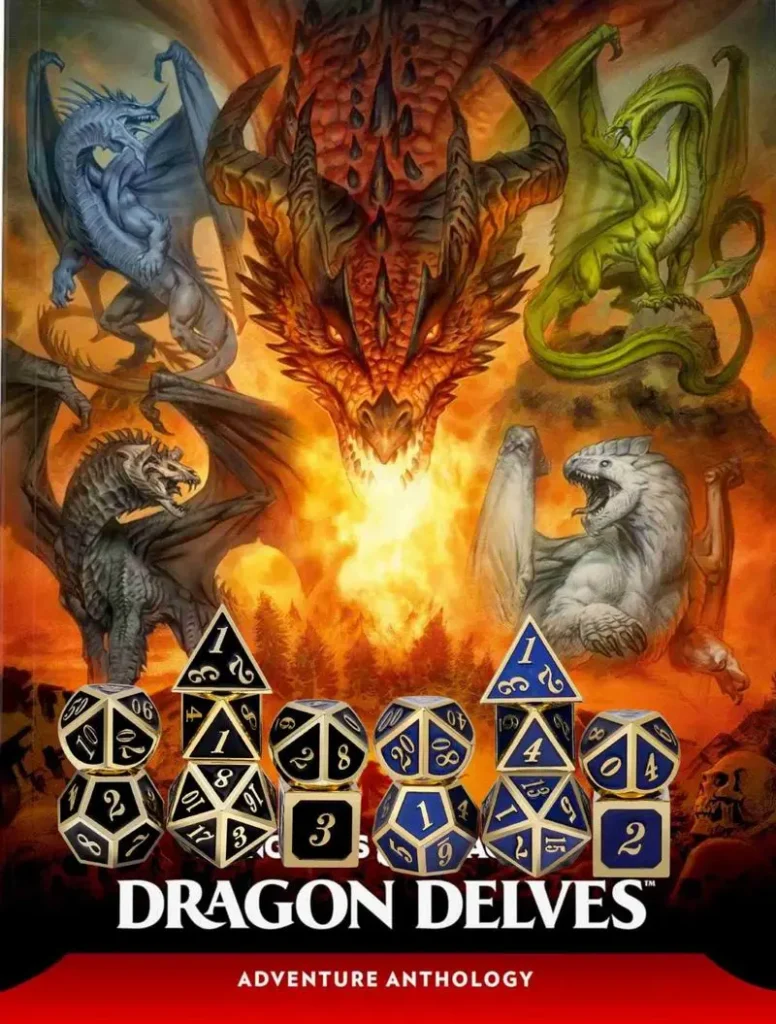
If you’re a tabletop gaming fan, chances are you own at least one set of D&D dice—the iconic polyhedral bundle of d4, d6, d8, d10, d12, and d20. Most of us only pull them out for Dungeons & Dragons, but these versatile dice can transform nearly any board game, card game, and wargame. They add randomness, depth, and a fresh layer of chaos to old favorites, letting you rewrite rules, create custom mechanics, and turn a casual game night into something entirely new.
Below, I’ll break down how to use D&D dice to play and redesign Magic: The Gathering, Warhammer, classic tabletop RPGs, and Monopoly, with simple, playable rules you can use tonight.
A Quick Refresher: The D&D Dice Set
First, let’s recap the dice we’ll use:
– d20: The core die—for success checks, critical hits, and big decisions
– d12: High-stakes rolls, heavy damage, and rare events
– d10/d%: Percentile rolls, resource counts, and precise modifiers
– d8: Medium damage, skill boosts, and steady effects
– d6: All-purpose utility, basic damage, and movement
– d4: Low damage, minor penalties, and small bonuses
These dice work together to replace coins, numbered cards, and static rules, making every game more dynamic and unpredictable.
Magic: The Gathering: Add Dice-Driven Chaos
MTG is already tactical, but D&D dice turn fixed card effects into dynamic, roll-based plays. Perfect for casual play and custom deck-building.
Foxbone MTG Dice
Core Dice Rules for MTG
- 1. Spell Casting Checks
- Instead of auto-casting spells, roll a d20 to successfully cast non-creature spells. Set a Difficulty Class (DC):
- – Common spells: DC 10
- – Uncommon spells: DC 13
- – Rare/mythic rare spells: DC 16
- Roll equal to or higher than the DC to cast the spell; roll a natural 1 and the spell fizzles (discard it); roll a natural 20 and the spell gets a bonus (extra damage, double effects, or free copy).
2. Combat Damage Variance
Replace fixed combat damage with dice rolls. Assign dice based on creature power:
– 1–2 power: d4
– 3–4 power: d6
– 5–6 power: d8
– 7+ power: d12
Roll the corresponding die to deal random damage, making every attack feel high-stakes.
3. Loot & Bonus Rolls
After defeating an opponent’s creature, roll a d10 for a bonus:
– 1–3: Gain 1 extra life
– 4–7: Draw 1 extra card
– 8–10: Add a temporary mana token
This system makes MTG more replayable, with no two games feeling identical.
Warhammer: Streamline & Amplify Wargame Combat
Warhammer’s core rules already use dice, but D&D polyhedral dice simplify complex rolls and add cinematic flair to battles, whether you’re playing Warhammer 40,000 or Age of Sigmar.
D&D Dice Tweaks for Warhammer
1. Unified Hit Rolls
Use a d20 for all hit rolls instead of multiple d6s. Add a modifier based on unit skill:
– Basic infantry: +3 modifier
– Elite units: +6 modifier
– Heroes/leaders: +10 modifier
Roll d20 + modifier ≥ target’s armor value to land a hit. A natural 20 is a devastating hit (instantly destroy a weak unit or deal double damage to a tough unit).
2. Variable Damage Rolls
Swap fixed damage for themed dice:
– Ranged weapons: d6
– Melee weapons: d8
– Heavy weapons/explosives: d12
– Magic/psychic powers: d10
Roll the die to deal random damage, adding tension to every skirmish.
3. Moral Checks
When a unit loses half its models, roll a d12 for morale. On a 1–4, the unit flees; on a 5–12, it holds firm. Add a +2 modifier for led units to reward strategic positioning.
These changes speed up gameplay while keeping the epic, brutal feel of Warhammer.
Tabletop RPGs (Beyond D&D): Universal Dice Framework
If you love indie RPGs, story-driven games, or custom homebrew systems, D&D dice create a universal rule set that works for any setting—fantasy, sci-fi, horror, or modern.
Universal RPG Dice System
1. Core Action Checks
Every skill check (athletics, persuasion, stealth, etc.) uses a d20 + ability modifier. Set a DC for difficulty:
– Easy task: DC 5–10
– Moderate task: DC 11–15
– Hard task: DC 16–20
– Legendary task: DC 25+
2. Character Creation & Stats
Roll stats with standard D&D methods:
– 4d6, drop the lowest (for balanced heroes)
– 3d6 (for gritty, realistic characters)
Assign stats to strength, dexterity, charisma, and more, no matter the RPG setting.
3. Cinematic Criticals & Failures
– Natural 20: Critical success—pull off a impossible move, gain a temporary buff, or trigger a story twist
– Natural 1: Critical failure—make a costly mistake, trigger a random hazard, or create a dramatic setback
This framework lets you mix and match RPG settings and homebrew rules effortlessly.
Monopoly: Ditch Boredom, Add Excitement
Monopoly is a classic, but it can drag. D&D dice turn slow, repetitive turns into fast, chaotic fun, with random events and dynamic rewards.
Dice-Powered Monopoly Rules
1. Movement & Action Rolls
– Roll 2d6 for standard movement (same as classic)
– Roll a d20 for a special action on your turn:
– 1–5: Move backward 2 spaces
– 6–14: Normal turn
– 15–18: Collect $100 free cash
– 19–20: Steal one property from another player (no rent owed)
2. Rent & Purchase Checks
– When buying a property, roll a d8 to get a discount: roll a 5–8, pay 10% less
– When paying rent, roll a d10; on a 1, pay double; on a 10, pay half
3. Chance & Community Chest Dice
Replace static cards with dice rolls. Draw a card, then roll a d6 to amplify or alter the effect:
– 1: Effect is worse
– 2–5: Normal effect
– 6: Effect is enhanced
This cuts down downtime and makes Monopoly competitive and exciting again.
Why D&D Dice Work for Every Game
The magic of D&D dice lies in their flexibility and nostalgia. They turn fixed, predictable games into experiences where luck and strategy collide. You don’t need fancy accessories or new rulebooks—just your existing dice set and a little creativity.
Whether you’re a casual gamer or a hardcore tabletop enthusiast, modifying your favorite games with D&D dice breathes new life into old classics. It encourages house rules, homebrew content, and shared storytelling, making every game night unique.
Final Tips to Get Started
– Start small: Tweak one rule at a time instead of overhauling the entire game
– Adjust DCs and modifiers to balance difficulty for your group
– Embrace chaos: Some of the best gaming moments come from unexpected dice rolls
Next time you gather for game night, grab your D&D dice and roll something new. You’ll never look at your favorite games the same way again.
What’s your favorite game to modify with dice? Drop a comment and share your best homebrew rules!