A Beginner’s Guide to D&D Dice:
If you’ve ever peeked into a Dungeons & Dragons game, you’ve seen them: a colorful set of oddly shaped dice, clattering across the table and deciding fate, victory, and chaos. These polyhedral dice are the heartbeat of D&D—they turn storytelling into interactive adventure, letting luck and strategy shape every quest.
For new players, the full set can feel overwhelming. There are so many sizes, numbers, and rules! But once you learn what each die does and how to use it, rolling them becomes second nature. Let’s break down every D&D die, its purpose, and how it works in gameplay—so you can roll with confidence on your next campaign.
First Things First: The Full D&D Dice Set
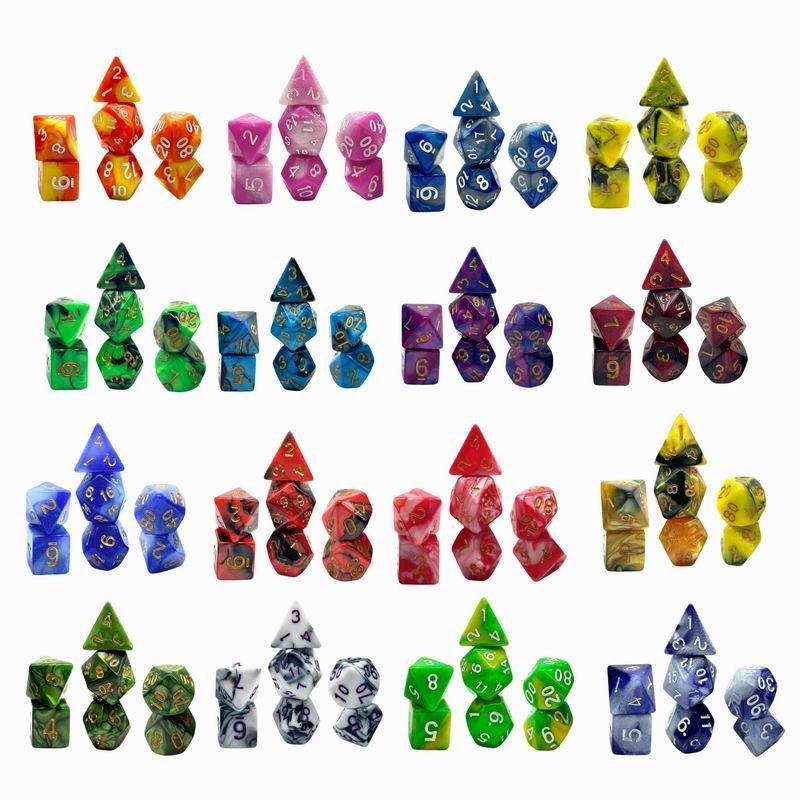
A standard D&D dice set has 7 unique dice:
– d4 (4-sided)
– d6 (6-sided)
– d8 (8-sided)
– d10 (10-sided)
– d% (percentile 10-sided, paired with d10)
– d12 (12-sided)
– d20 (20-sided)
Each one has a distinct job. Some rule checks and attacks; others handle damage and healing. Let’s dive in one by one.
d4: The Tiny Pyramid of Small Damage
Shape: A sharp, four-sided pyramid
Roll for: Low-level weapon damage (daggers, clubs), minor spell damage, and small healing effects
The d4 is the smallest, simplest die. It doesn’t have a “top” face—you read the number at the base of the pyramid. It’s for gentle hits and minor magic: think a rogue’s quick dagger stab or a weak cantrip. You’ll rarely roll multiple d4s; it’s a supporting die, not a star.
- d6: The Familiar Classic
Shape: Standard cube (the die everyone knows)
Roll for: Common weapon damage, spell power (like Fireball!), ability score generation, and skill checks.
The d6 is the most recognizable die in the set. It’s versatile: you’ll use it for everything from a sword’s base damage to rolling your character’s Strength, Dexterity, and other stats at character creation. Many powerful spells (looking at you, Fireball and Lightning Bolt) use multiple d6s for big burst damage. It’s also used for simple environmental checks, like random item drops or trap triggers.
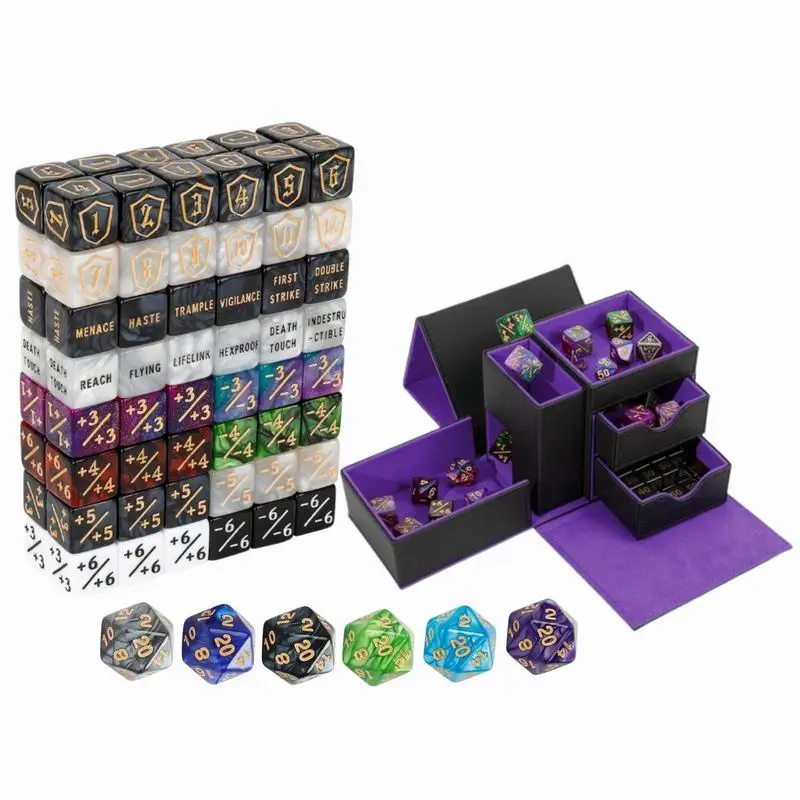
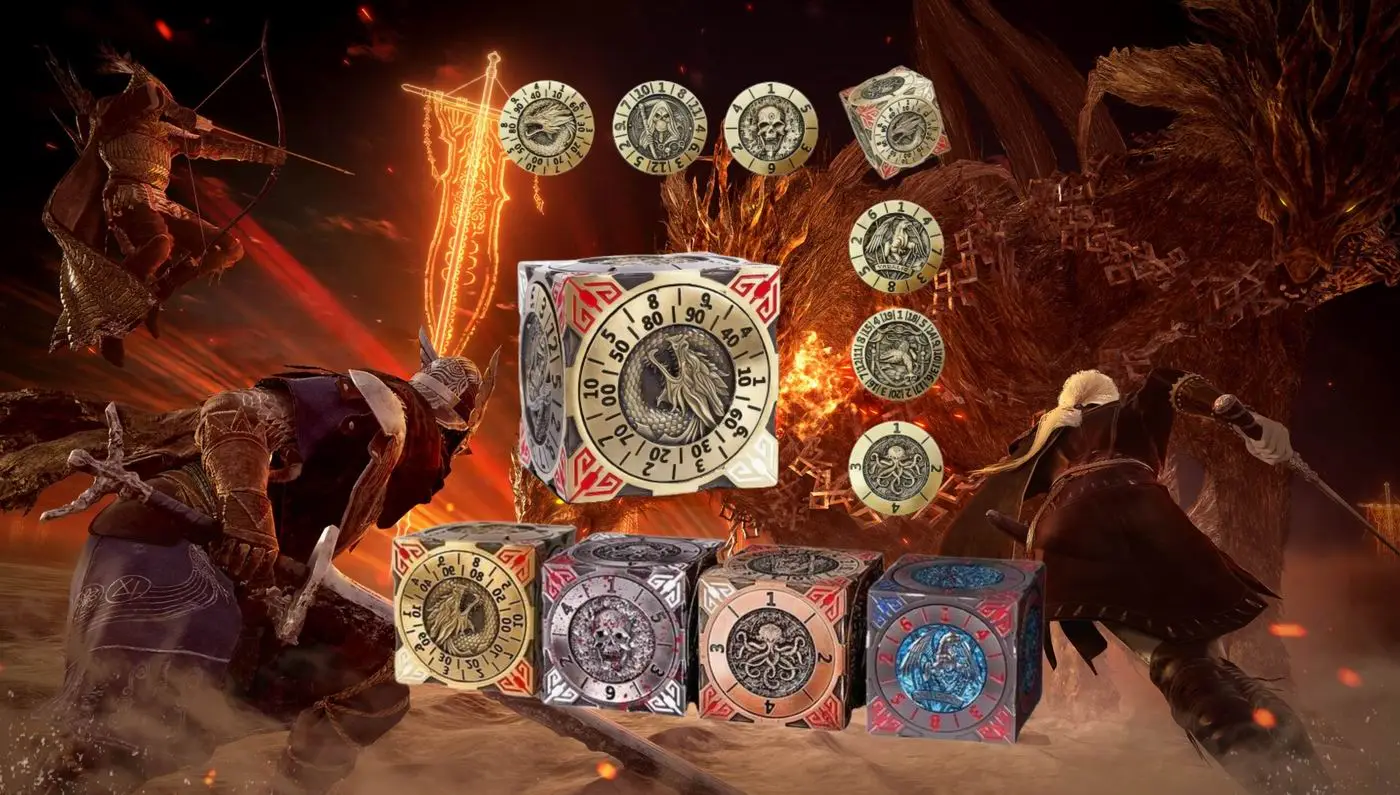
d8: The Medium Damage Workhorse
Shape: Octahedron (two pyramids stuck together at the base)
Roll for: Medium weapon damage, martial class features, and steady healing
Fighters, paladins, and rangers rely on the d8. It’s the go-to die for one-handed martial weapons like longswords, battleaxes, and warhammers. Clerics also use d8s for healing spells like Cure Wounds. It hits harder than a d6 but isn’t as extreme as higher dice—consistent, reliable damage for frontline fighters.
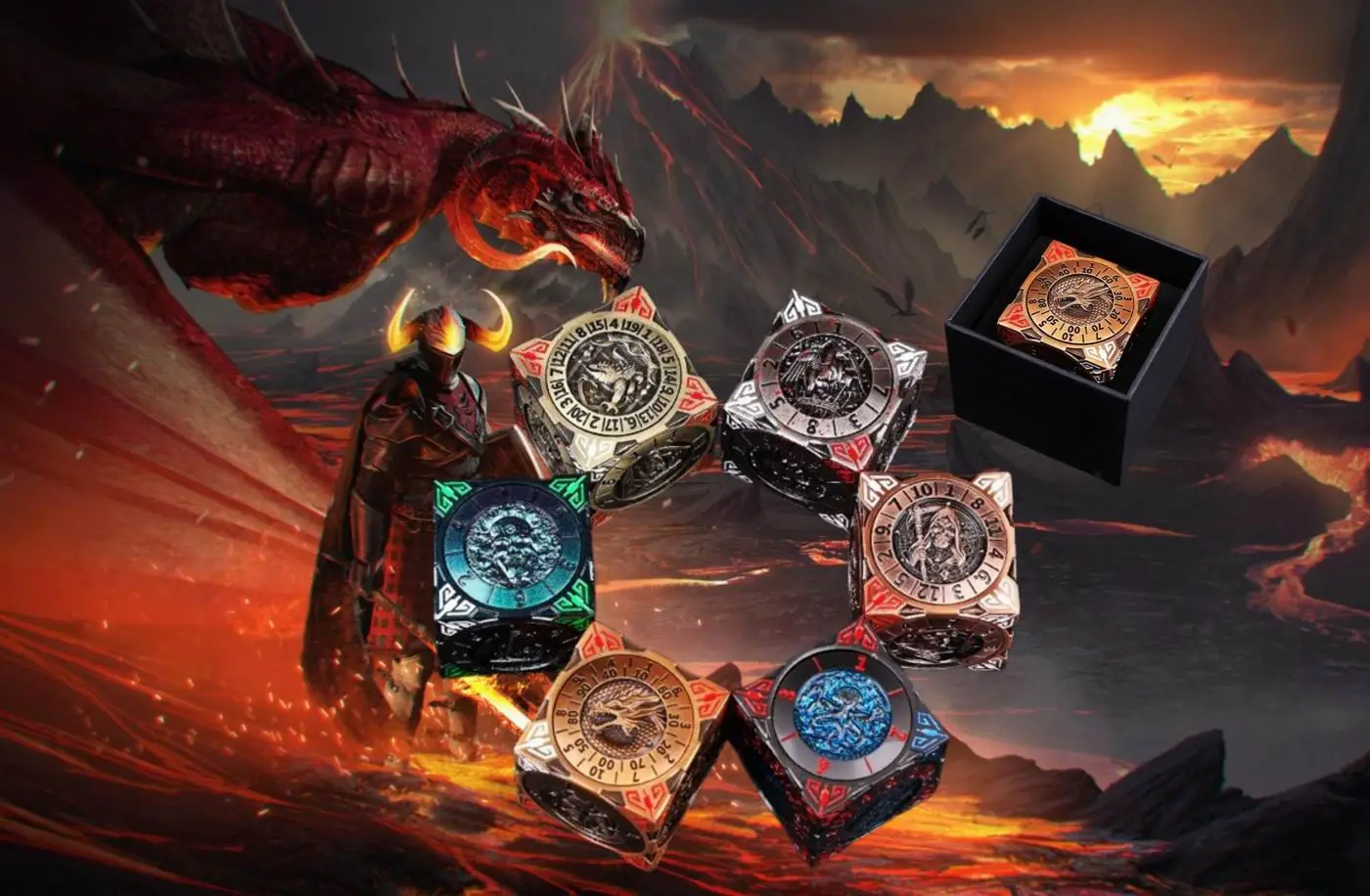
Foxbone D&D Dice
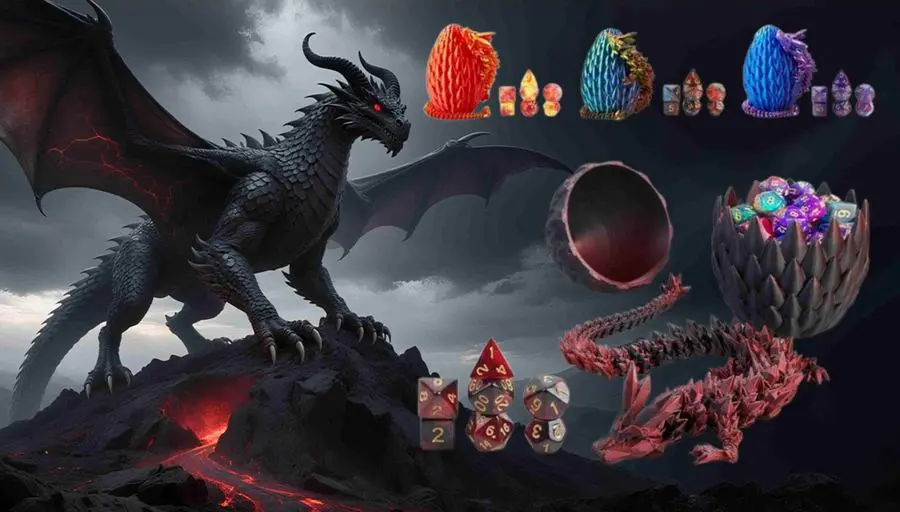
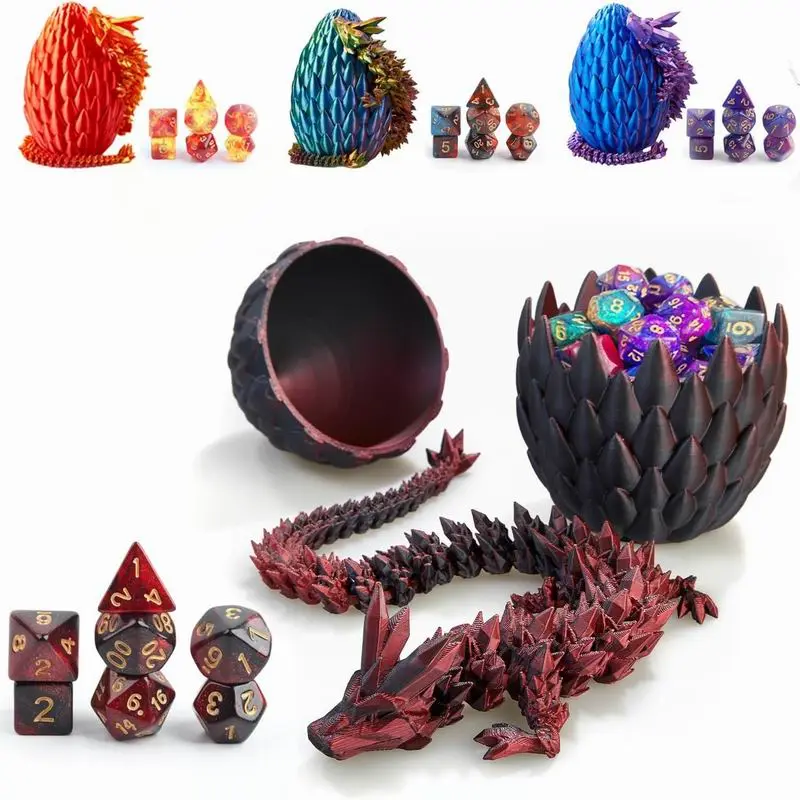
d10 & d%: The Percentile Pair
Shape: Flat, ten-sided dice (one numbered 0–9, one numbered 00–90)
Roll for: Percentile checks, high-damage weapons, spell effects, and rogue sneak attack
The d10 works alone for damage (think rapiers, scimitars, and some magical effects) but shines when paired with the d% (percentile die) to make a d100 roll. To roll percentile:
– Roll both dice
– The d% gives the tens digit (00 = 0, 90 = 90)
– The d10 gives the ones digit
– Example: d% = 50, d10 = 7 → 57; double 0s = 100
You’ll use this for rare loot tables, spell save DCs, poison effects, and random encounter chances. Rogues also use multiple d10s for devastating sneak attack damage.
d12: The Heavy Hitter
Shape: Twelve-sided pentagonal die
Roll for: Heavy two-handed weapon damage
The d12 is for brute force. Barbarians and fighters wielding greataxes, greatswords, and mauls use this die for massive, swingy damage. It can roll as low as 1 or as high as 12—so it’s high risk, high reward. One great swing can take down a monster; a low roll can leave you vulnerable.
d20: The Star of the Show
Shape: Twenty-sided icosahedron
Roll for: Everything critical—attack rolls, ability checks, saving throws, initiative
The d20 is the most important die in D&D. It determines success or failure for nearly every meaningful action:
– Attack Rolls: Roll d20 + modifiers. Meet or beat the enemy’s Armor Class (AC) = hit.
– Ability Checks: Roll d20 + skill modifier (Athletics, Persuasion, Stealth, etc.). Meet or beat the DM’s Difficulty Class (DC) = success.
– Saving Throws: Roll d20 to resist traps, spells, and poisons (Dexterity, Constitution, Wisdom saves).
– Initiative: Roll d20 at the start of combat to decide turn order.
Pro d20 Rules:
– Natural 20: Critical hit! Automatic success, double damage dice on attacks.
– Natural 1: Critical fail! A messy misstep—your DM will have fun with this one.
– Advantage: Roll 2d20, take the higher roll (favorable conditions: stealth, attacking from behind).
– Disadvantage: Roll 2d20, take the lower roll (unfavorable conditions: bright light, injured).
Dice Notation 101 (No Math Degree Needed)
You’ll see shorthand like 2d6+3 or 1d8+5 on character sheets. Here’s how to read it:
– The first number = how many dice to roll
– “d” = die
– The second number = how many sides the die has
– The +/- number = modifier to add/subtract from the total
Examples:
– 3d6: Roll three 6-sided dice, add them together
– 1d20+4: Roll one 20-sided die, add 4
– 2d10+2: Roll two 10-sided dice, add 2
How Dice Come Together in a Round of Combat
Let’s put it all together with a simple fighter turn:
1. Roll d20 + attack modifier for your attack roll.
2. If you meet or beat the enemy’s AC: roll d8 (longsword damage) + Strength modifier.
3. If you rolled a natural 20: roll 2d8 (double damage) + modifier.
4. Deal damage to the monster!
For a spellcaster:
1. Roll d20 to see if the spell hits (if needed).
2. Roll Xd6 (for Fireball) to calculate area damage.
Pro Tips for New Dice Rollers
1. Roll on a flat surface: Avoid carpet—dice bounce and get stuck easily. A dice tray keeps things tidy.
2. Don’t stress about “lucky” dice: Every roll is random, but a set that feels cool to you makes the game more fun!
3. Keep your set together: Lose one die, and your whole game can pause. Invest in a small dice bag.
4. Digital dice work too: For online games, apps like Roll20 and D&D Beyond have built-in rollers that work perfectly.
Final Thought: Dice Are More Than Tools
D&D dice aren’t just random number generators—they’re storytellers. A single roll can turn a planned heist into a chaotic chase, a deadly battle into a heroic victory, or a quiet conversation into a shocking betrayal.
Every time you pick up that d20, you’re not just rolling numbers—you’re rolling destiny.
So grab your dice set, take a deep breath, and roll. Your adventure awaits.
May your 20s be natural and your fails be few!